
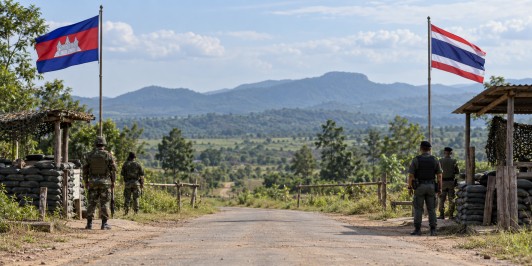
The ceasefire agreement between Cambodia and Thailand, established to halt hostilities over disputed territory, has come under scrutiny as Cambodia accuses Thai forces of fortifying positions within contested areas. The truce, effective since December 27, was intended to allow both nations to maintain their military stances and facilitate the safe return of displaced civilians, according to Cambodian Information Minister Neth Pheaktra.
Cambodia asserts that while the ceasefire was agreed upon to maintain existing military positions, it does not serve as a means to redefine international borders or determine legal ownership of the disputed lands. Pheaktra has raised concerns over actions by Thai forces, alleging they have installed barbed wire, containers, and constructed roads and trenches, potentially altering the status quo in these regions.
The conflict, which displaced more than 20,000 people, remains unresolved, with Cambodia emphasizing the importance of ensuring the safe return of those affected as an indicator of the ceasefire’s effectiveness. The Cambodian government views these developments as creating new facts on the ground contrary to the spirit of the agreement.
Thailand, on the other hand, has engaged international observers, including ASEAN delegates and journalists, by leading visits to the border areas, such as the O’Smach casino and Choam crossing. During these tours, Thai authorities presented claims about the use of casino buildings and alleged cross-border criminal activities, which Cambodia disputes.
The disagreement over the border area continues, with Cambodia maintaining that the territory in question is under its sovereignty, despite Thailand’s assertions. The ongoing tensions highlight the challenges in achieving a lasting resolution to the territorial dispute.