
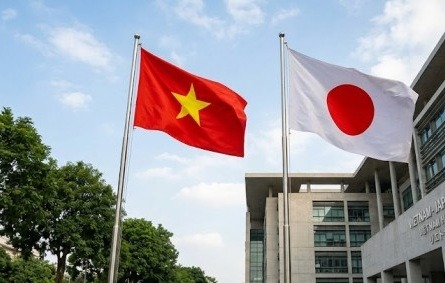
Vietnam and Japan have committed to bolstering their defence partnership, focusing on several strategic domains such as military training, cybersecurity, defence industry growth, United Nations peacekeeping missions, and post-war recovery projects. This decision was reached during a meeting in Hanoi between Vietnamese Deputy Prime Minister and Minister of National Defence, General Phan Văn Giang, and General Uchikura Hiroaki, Chief of Staff of Japan’s Self-Defence Forces. The talks centered on enhancing bilateral defence relations and more effectively implementing existing agreements.
General Giang underscored Vietnam’s dedication to advancing consultation and dialogue frameworks, expanding collaboration among military branches, and fostering partnerships in defence technology, military medicine, and cybersecurity. He pointed out that defence ties have become a crucial element of the broader Comprehensive Strategic Partnership between Vietnam and Japan. The Vietnamese minister also acknowledged Japan’s contributions to personnel training, defence industry advancement, technology transfer, and post-war recovery efforts, while advocating for more scholarship and training opportunities for Vietnamese military personnel in science, engineering, and technology.
Japan is recognized as a vital economic and strategic ally for Vietnam, with robust cooperation in trade, investment, development aid, and labor exchanges. Over recent years, defence collaboration between the two nations has significantly expanded, supported by regular policy dialogues and military consultations. General Uchikura affirmed Japan’s resolve to fortify defence relations with Vietnam and backed the expansion of cooperation in high-level exchanges, military education, cybersecurity, and healthcare services within the armed forces.
Both countries agreed to maintain close coordination to enhance mutual trust, ensure regional stability, and strengthen their long-term strategic partnership. This shared commitment reflects a broader intent to not only deepen military ties but also to foster a stable and secure regional environment. The discussions and agreements highlight the ongoing efforts by both nations to work collaboratively in addressing common security challenges and building a more resilient defence framework.