
There were many numbers thrown around at the AI Impact Summit in Delhi — billions in investment, trillions in projected economic value, data centres expanding across continents. But the number Emmanuel Macron kept returning to was smaller and more human: 1.2 million. That is the number of children in 11 countries who had their images manipulated into sexually explicit AI-generated deepfakes in a single year, according to research by Unicef and Interpol. Macron made sure the room did not forget it.
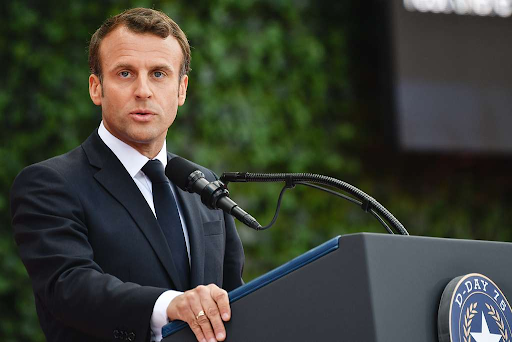
The French president’s strategy at Delhi was to humanise a debate that often becomes abstract. AI governance discussions tend to focus on regulatory frameworks, competitive positioning and economic models. Macron shifted the frame: before any of that, he said, we must talk about the children being harmed right now, in the present, by technology that is legal, available and accelerating. Everything else — the regulation, the innovation, the governance architecture — flows from whether we take that harm seriously.
Macron’s own record on the issue is concrete. France is moving to ban social media access for children under 15, an intervention that reflects his government’s conclusion that the harms of unregulated platforms are sufficiently documented to justify legislative action. Through his G7 presidency, he intends to push for international standards that would make this approach exportable. He called on platforms and governments to work together rather than in mutual suspicion.
He was not alone in Delhi. António Guterres placed child safety within the broader argument that AI development cannot be left to unaccountable private actors. Narendra Modi called for AI that is child-safe by design, not as an afterthought. The convergence between these leaders on this specific issue was one of the summit’s more significant outcomes — a rare alignment of political interests around a human rather than an economic question.
The 1.2 million figure will not be the last alarming statistic to come out of research into AI’s impact on children. The technology is improving, the tools are proliferating and the gap between what is possible and what is prohibited is widening. Macron’s argument is that closing that gap is a political responsibility, not a technical one. The children whose images have been weaponised against them are not waiting for a breakthrough in safety technology. They need governments to act.
The 1.2 Million Children That Macron Wants the World to Remember
Picture Credit: nara.getarchive.net
1