
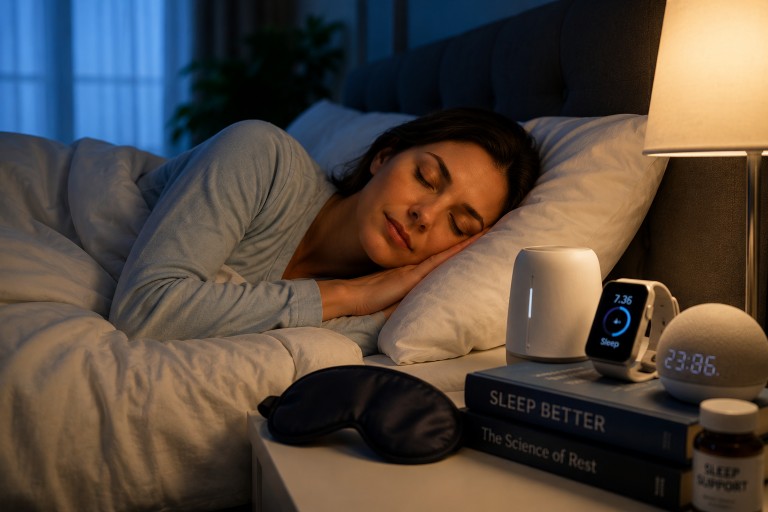
The increasing emphasis on achieving better sleep has led to a thriving marketplace for sleep-enhancing products. Ranging from smartwatches and sleep-tracking applications to specialized mattresses, weighted blankets, white-noise machines, and cooling technologies, consumers are investing more to improve their rest. However, experts caution that these high-tech gadgets and sleep aids cannot substitute for the essentials of healthy sleep. Factors like stress, excessive screen time, irregular schedules, noise, uncomfortable temperatures, and untreated sleep disorders can still disrupt rest regardless of the sleep technology employed.
While a comfortable mattress, supportive bedding, or a wearable device can enhance the sleep environment and provide insights into sleep patterns, they all have their limitations. Persistent issues such as stress, anxiety, excessive noise, irregular work hours, and underlying sleep disorders demand more than just a new mattress or smart device. Moreover, over-reliance on sleep technology can sometimes add pressure rather than alleviate it. The phenomenon of orthosomnia, for instance, highlights the issue of becoming overly fixated on achieving “perfect” sleep through constant monitoring of sleep data, which can ironically make it harder to relax at bedtime.
As awareness of the importance of quality rest grows, so does the demand for sleep-related products. The market now includes more than traditional mattresses and pillows, expanding to wearable trackers, sleep apps, smart beds, wellness programs, and other tech-based solutions. Additionally, wellness-focused hotels and sleep retreats are gaining popularity, underscoring a broader shift towards viewing sleep as a vital component of overall health rather than mere downtime.
While sleep trackers can provide a general overview of sleeping patterns, they are not capable of identifying or resolving all the causes of poor sleep. Issues such as job-related stress, anxiety, late-night screen use, caffeine intake, shifting schedules, and certain health conditions can all impact sleep quality. The online trend of “sleepmaxxing,” which involves using routines, products, diet, and technology to optimize sleep, has garnered attention. However, experts warn against making sleep another performance target, as it can be counterproductive.
Despite the array of sleep products available, achieving healthy sleep fundamentally relies on consistent habits. Maintaining a regular sleep and wake schedule, staying physically active, managing stress, and limiting screen exposure before bed can foster a more restful sleep foundation. Creating a comfortable bedroom environment by keeping it quiet, dark, and at a suitable temperature is also crucial. For those experiencing persistent or severe sleep issues, such as repeated difficulty sleeping, loud snoring, breathing interruptions during sleep, or significant daytime tiredness, seeking professional medical advice is essential rather than relying solely on consumer products.