
Britain has finalized a pharmaceutical trade agreement with the United States requiring the National Health Service to increase expenditure on innovative medicines by 25% by 2035. This commitment, estimated by industry analysts to cost approximately £3 billion additional annually, has become a focal point for debates about healthcare resource allocation and international commercial pressures.
The accord establishes dramatic changes in NHS pharmaceutical procurement strategies. England’s health service will expand its current £14.4 billion annual spending on innovative therapies while doubling the GDP percentage allocated to such purchases from 0.3% to 0.6% over the coming decade. This expansion represents one of the most substantial shifts in public healthcare spending policy in recent British history.
Political criticism has been sharp and sustained, with opposition parties accusing ministers of yielding to American pressure at NHS expense. The Liberal Democrats have been particularly outspoken, with health spokesperson Helen Morgan characterizing the arrangement as governmental capitulation. She asserted that American priorities were placed ahead of NHS interests, warning that patients facing hospital overcrowding and inadequate emergency services would remember this decision as prioritizing trade relations over healthcare quality.
Healthcare sector leadership offers measured responses, recognizing both opportunities and significant challenges. While acknowledging that tens of thousands of patients could access groundbreaking treatments, NHS Providers chief executive Daniel Elkeles stressed that current spending plans provide no capacity for this substantial new financial commitment. The lack of clarity regarding funding sources has generated considerable concern about potential impacts on existing services and treatments.
Government officials counter criticism by highlighting protection for both patient interests and domestic pharmaceutical manufacturing. The deal ensures £6.6 billion in annual British drug exports will avoid threatened 100% American tariffs while prompting raised cost-effectiveness thresholds that should enable approval of additional medications, particularly benefiting cancer patients and those with rare diseases currently lacking adequate treatment alternatives.
Liberal Democrats Characterize Agreement as NHS Capitulation
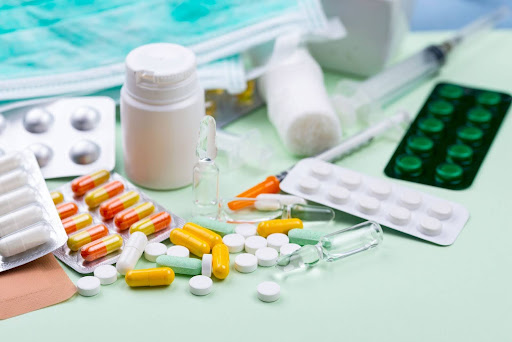
Picture credit: www.freepik.com
15