
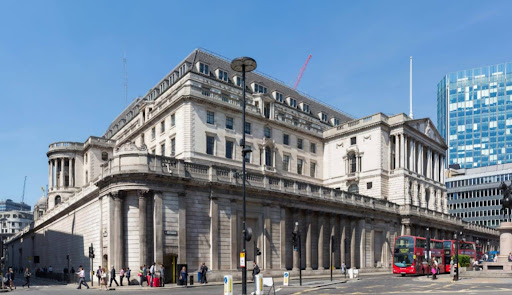
The stakes for the UK’s economic recovery have been raised significantly by the Iran war, with the Bank of England voting unanimously to hold rates at 3.75% on Thursday and warning that rising energy prices could push inflation above 3% and require rate hikes that would directly complicate the recovery’s prospects. The monetary policy committee described the conflict as a significant new shock that had materially changed the near-term economic outlook. For a recovery already described as modest and fragile, the warning carried considerable weight.
The UK’s economic recovery from the succession of shocks of recent years had been slow and uneven. Growth had been modest, the labour market was showing signs of softening, and real wages had only recently begun to recover ground lost during the inflation shock of 2022. That tentative recovery now faces a new threat from the war’s energy price impact, which could reverse the improvement in real purchasing power and dampen the consumer confidence that is essential for sustained growth.
Governor Andrew Bailey acknowledged the timing of the new shock as particularly unwelcome. He said the war had arrived at a moment when the UK economy had been making gradual but real progress toward more normal conditions. His warning about rising petrol prices and potential energy bill increases was delivered with an evident awareness of the cumulative burden that further price shocks would impose on UK households.
Financial markets moved to price in the raised stakes. UK gilt yields rose, the FTSE 100 fell, and the pound strengthened against the dollar as traders adjusted to the prospect of tighter monetary policy. Analysts noted that the combination of potential rate hikes and rising energy costs would add meaningful headwinds to an already modest recovery.
For the government, the raised stakes create a challenging political as well as economic environment. The narrative of a recovery, however modest, is central to Labour’s political positioning. A period of renewed inflation pressure, rising borrowing costs, and potentially higher energy bills would significantly complicate that narrative and test the government’s ability to maintain public confidence in its economic management.