
The Bank of England has maintained interest rates at 3.75% while repeating language from its December statement that future rate decisions will be “a closer call.” This phrasing suggests policymakers are approaching what they consider an appropriate rate level.
The monetary policy committee’s 5-4 vote demonstrated the increasingly difficult judgments facing policymakers. Four members already believed conditions warranted lower rates, while five preferred to maintain current settings. This close division, following six rate cuts since mid-2024, illustrates why the committee describes future decisions as becoming progressively more challenging.
The “closer call” language indicates that as inflation approaches the 2% target, the case for additional rate cuts becomes less clear-cut. Governor Andrew Bailey projected that inflation would return to around 2% by spring, which represents success in bringing prices under control. However, ensuring inflation remains stable at this level requires careful calibration of monetary policy.
Economic forecasts show GDP growth of just 0.9% this year, down from 1.2% previously projected, while unemployment is expected to climb to 5.3%. These weaker indicators might ordinarily strengthen the case for rate cuts, but policymakers are balancing growth concerns against the need to ensure inflation doesn’t resurge. The committee’s language suggests they are becoming more cautious as they approach what they view as a neutral policy stance.
Chancellor Rachel Reeves’s budget measures, including utility bill cuts and rail fare freezes from April, are expected to drive inflation down to 2.1% by mid-2026, compared to 3.4% in December. This improvement supports the case for further easing, but the committee’s repeated use of “closer call” language indicates that future rate cuts will be more carefully considered than those earlier in the cycle. Financial markets assign a 50% probability to a March cut, reflecting this genuine uncertainty.
Bank of England Holds at 3.75% as Committee Repeats “Closer Call” Language From December
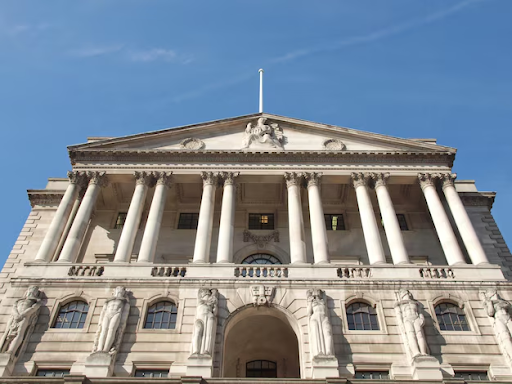
Picture Credit: www.freepik.com
7