
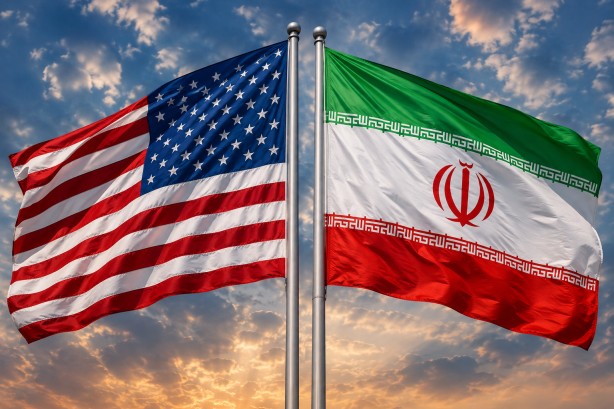
Heightened tensions between the United States and Iran have emerged following a dramatic exchange of military strikes, marking the most significant confrontation since both nations agreed to a temporary ceasefire last month. The United States executed a series of airstrikes on approximately 80 strategic locations tied to Iran’s military, aiming to mitigate perceived threats to free navigation in the Strait of Hormuz. This military action was initiated after Iran targeted three commercial vessels traversing the pivotal waterway.
In retaliation, Iran launched a barrage of missiles and drones targeting U.S. military bases in Bahrain and Kuwait, while also unveiling a new military doctrine. This doctrine indicates that Iran will regard the United States and its regional allies as equal adversaries in any forthcoming conflict. U.S. President Donald Trump issued a warning that further military actions are possible should Iran persist with its attacks, though he expressed doubt about the situation escalating into a prolonged war.
This surge in hostilities threatens the stability of the ceasefire agreement, which was designed to facilitate negotiations over Iran’s nuclear ambitions, potential sanctions relief, and enduring security measures in the Strait of Hormuz. The waterway is a critical channel for global energy shipments, and the current conflict has led to rising oil prices amidst fears of possible disruptions.
Iran asserts its sovereign right to oversee shipping through the Strait of Hormuz. However, the United States argues that Iran’s recent assaults on commercial vessels breach international maritime security standards, thereby justifying its military response. This standoff highlights the contentious nature of the discussions surrounding the strategic waterway, underscoring the fragile state of international relations in the region.
As global markets react to the instability, the renewed conflict underscores the precarious balance of power and the intricate geopolitical dynamics at play in one of the world’s most vital energy corridors. The situation remains volatile, with both nations closely watched by the international community as they navigate this precarious path forward.