
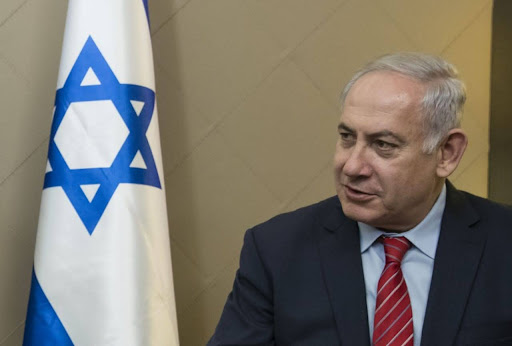
Israeli Prime Minister Benjamin Netanyahu made a sweeping historical claim on Friday, declaring that what Israel had achieved against Iran in twenty days would reshape the course of Middle Eastern history. He announced the elimination of Iran’s uranium enrichment and ballistic missile capabilities and rejected reports about Israeli manipulation of US policy. Netanyahu was visionary and confident throughout the press conference, projecting certainty about both the war’s imminent conclusion and the region’s transformation.
The prime minister spoke about his alliance with Trump in terms that emphasized its historic and strategic importance. He called their coordination unprecedented between two world leaders and framed Trump as the partnership’s dominant force. Netanyahu revealed that Trump had contributed his own independently formed understanding of Iran’s nuclear threat to their discussions, enriching their shared strategy with insights that went beyond standard briefings.
Netanyahu confirmed Israel struck the South Pars gas compound alone and disclosed Trump’s personal request to pause further attacks on Iranian gas infrastructure. He presented both facts openly, framing them as natural elements of a close and communicative alliance. Netanyahu maintained that Israel’s military autonomy remained fully intact.
On the Hormuz question, Netanyahu dismissed Iran’s closure threats as empty blackmail. He proposed overland pipeline routes from the Arabian Peninsula to Israeli and Mediterranean ports as a lasting structural alternative. Netanyahu argued this infrastructure would transform the region’s energy architecture and permanently neutralize one of Iran’s most feared geopolitical weapons.
Netanyahu concluded with observations about Iran’s visible leadership breakdown. He noted Mojtaba had not appeared publicly and admitted genuine uncertainty about who was governing the country. Netanyahu pointed to the fierce competition for power in Tehran and concluded that this instability, combined with military losses, was driving the conflict toward an end sooner than most anticipated.