
The introduction of an “e” variant represents a strategic move toward greater price accessibility, potentially opening the iPhone ecosystem to consumers previously priced out of the product line. This model likely targets emerging markets and budget-conscious buyers in developed regions who desire the brand experience without premium pricing.
Specifications for the “e” model remain undisclosed, but industry patterns suggest it will feature previous-generation processors, simplified camera systems, and alternative materials to achieve lower manufacturing costs. These trade-offs enable substantial price reductions while maintaining core functionality and software support.
The “e” designation potentially draws inspiration from terminology used in other technology categories, where “economy” or “essential” variants provide streamlined experiences at reduced cost. This naming approach clearly communicates the model’s positioning without diminishing the perceived value of higher-tier options.
Market research indicates significant untapped demand for more affordable smartphones carrying premium brand names, particularly in price-sensitive regions where the company currently holds modest market share. The “e” model could dramatically expand the addressable market and customer base.
Software and services revenue opportunities grow substantially with an expanded user base, even if hardware margins are thinner on budget models. Users of the “e” device will likely subscribe to services, purchase applications, and engage with the ecosystem in ways that generate ongoing revenue beyond the initial hardware sale.
“E” Model Signals Push Toward More Affordable iPhone Options
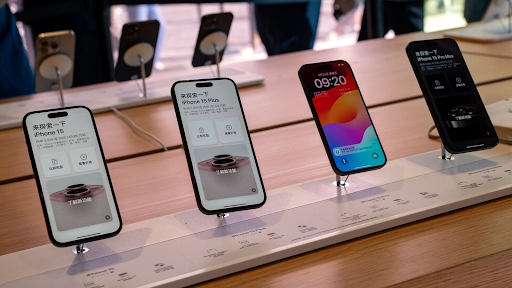
Picture Credit: universe.roboflow.com
24
previous post